Management
Crop Management
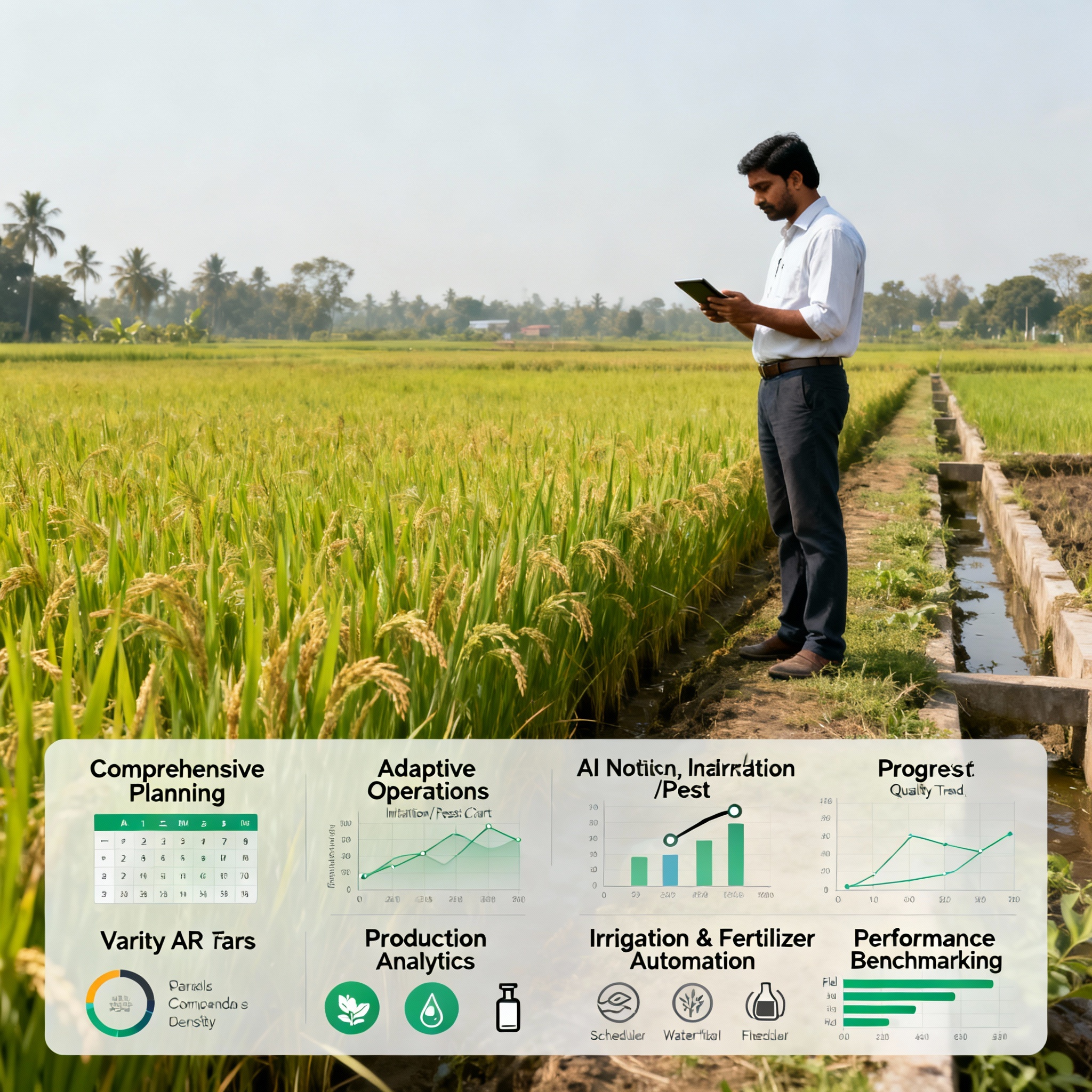
Comprehensive Planning: Optimize selection of crop varieties, plant timing, density, and rotation strategies to improve yield and sustainability.
Adaptive Operations: Integrate remote sensing and in-field data for timely interventions—fertilization, irrigation, pest/disease treatment—reacting to weather and biological events.
Production Analytics: Monitor progress versus yield/quality targets, adjusting plans as needed during the season.
Irrigation & Fertilizer Automation: Connect to equipment for remote scheduling, AI-based recommendations, and resource optimization.
Performance Benchmarking: Analyze results field-to-field and season-to-season to inform decisions for continuous improvement.
Tracability Management
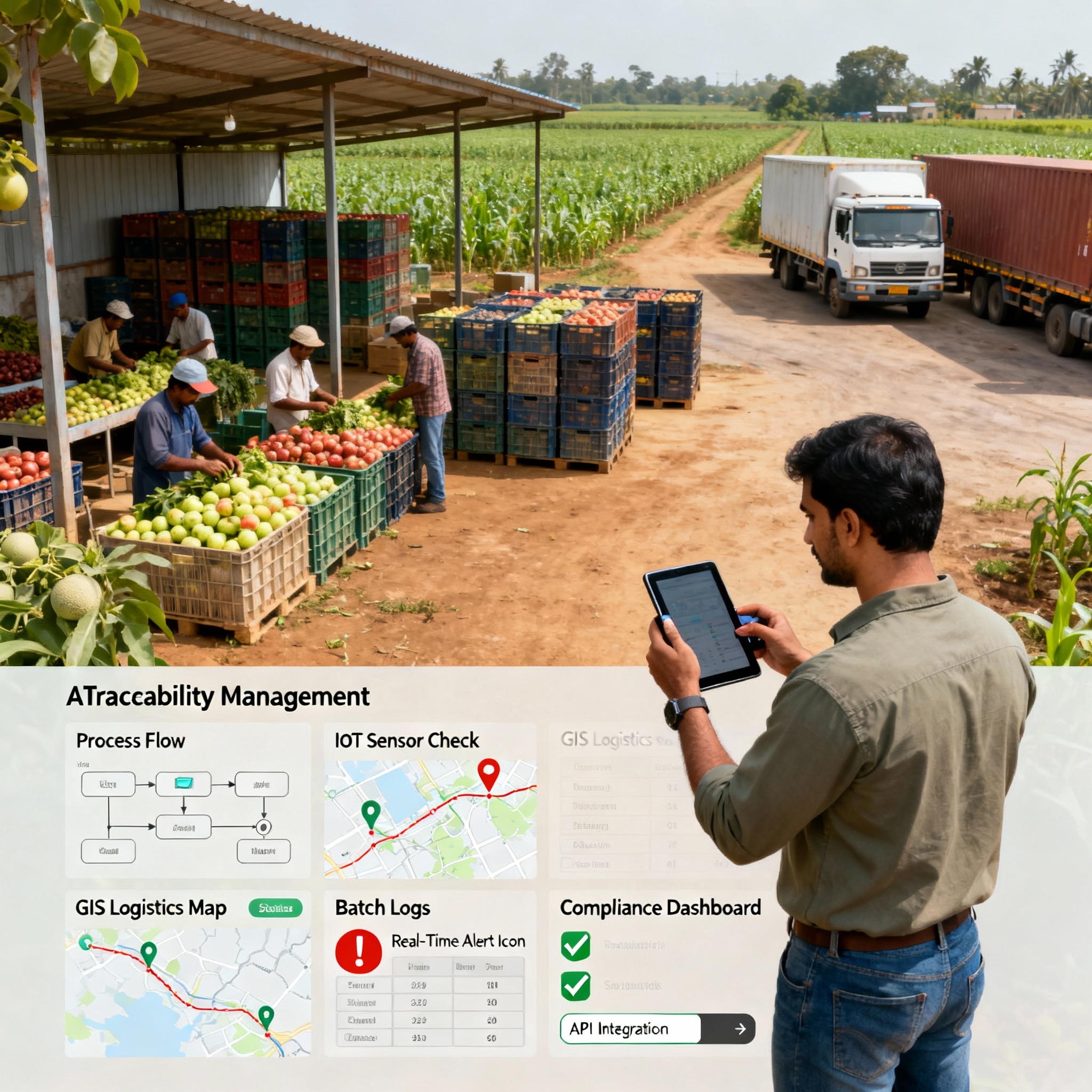
End-to-End Data Capture: Track every product from seed to sale—including all field operations, inputs, and handling points—in a unified system.
IoT and GIS Integration: Use IoT sensors for real-time monitoring and geospatial systems to map every stage of the supply chain.
Centralized Record Keeping: Maintain digital logs of planting, application of agrochemicals, harvest dates, and logistics, aiding audits and certifications.
Real-Time Alerts & Reporting: Immediate notification of deviations, recalls, or food safety events.
Compliance Support: Facilitate easy access to records for regulators, partners, and clients; enable rapid trace-back in the event of recalls.
Land Management
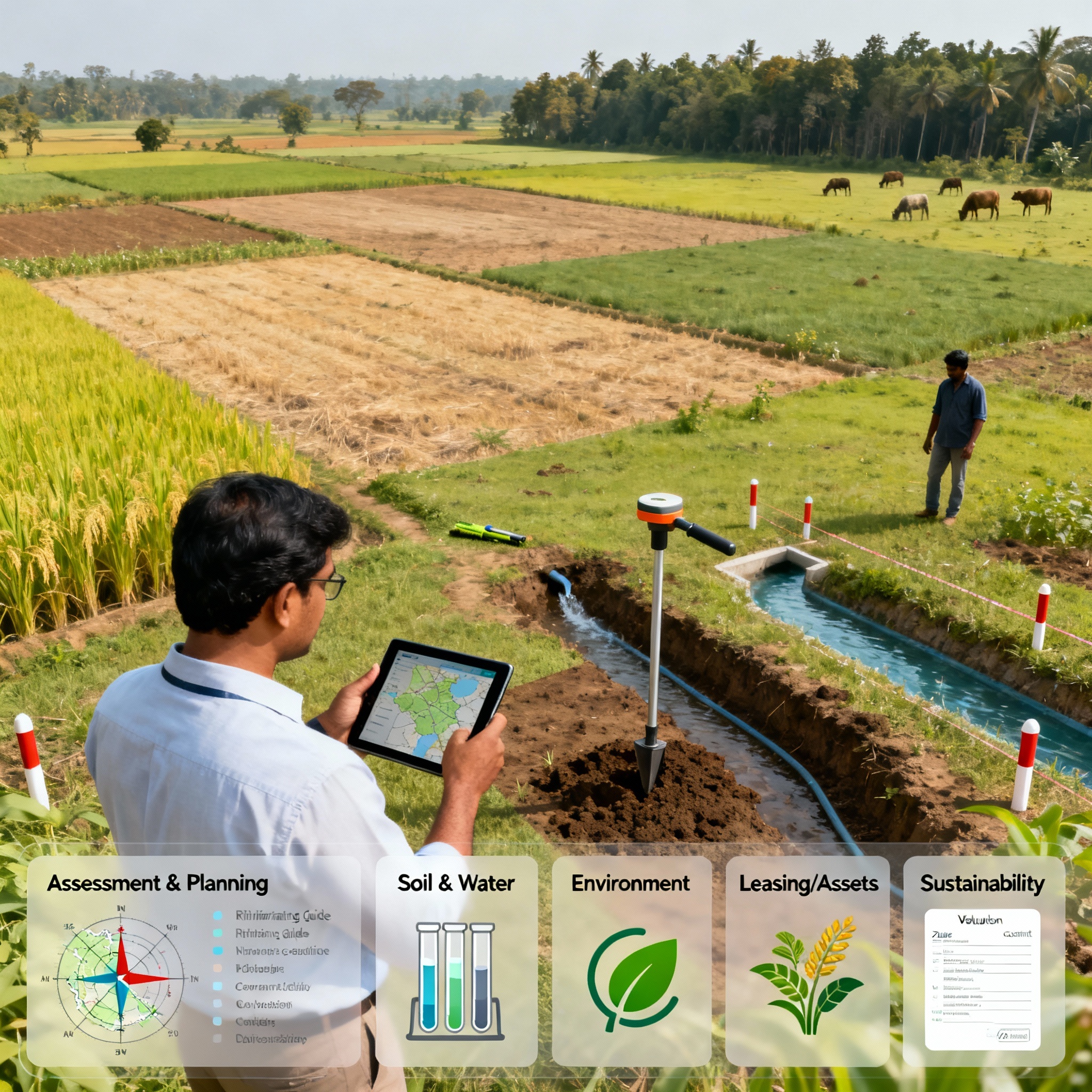
Land Assessment & Strategic Planning: Evaluate soil quality, water resources, and topography; recommend optimal land use, including crop types, grazing, conservation, or reforestation.
Soil & Water Management: Offer soil testing, nutrient mapping, and guidance on efficient irrigation and conservation techniques.
Environmental Stewardship: Promote compliance with environmental standards, buffer zones, habitat protection, and greenhouse gas reduction.
Leasing & Asset Optimization: Manage rental agreements, land valuation, and maximization of land investment returns.
Sustainability Initiatives: Recommend crop/livestock rotations, cover crops, and biodiversity efforts.
Nutirition Management
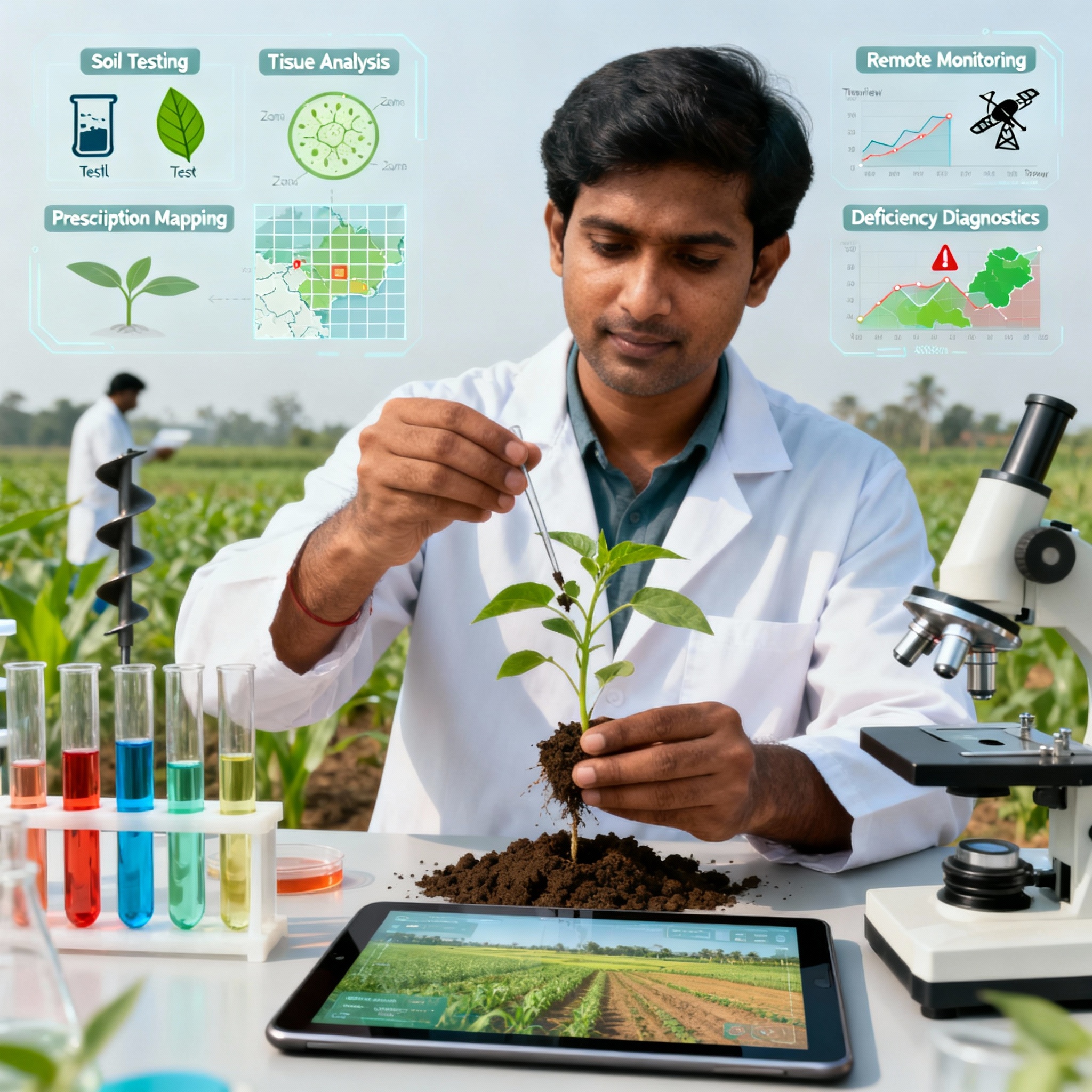
Soil Testing & Analysis: Regular on-site and laboratory evaluation of soil nutrient content (N, P, K, micronutrients, pH, organic matter).
Plant Tissue Analysis: In-season sampling to gauge real-time nutrient uptake and deficiencies in the crop
Prescription Mapping: Creation of zone-based fertilizer and amendment application maps using soil and crop data.
Historical Data Review: Integrating past soil and crop nutrition records for trend analysis.
Remote Monitoring: Ongoing satellite or drone surveillance for spatial nutrient imbalance alerts.
Deficiency Diagnostics: AI-powered identification of visible and hidden hunger symptoms in crops
Scouting Management
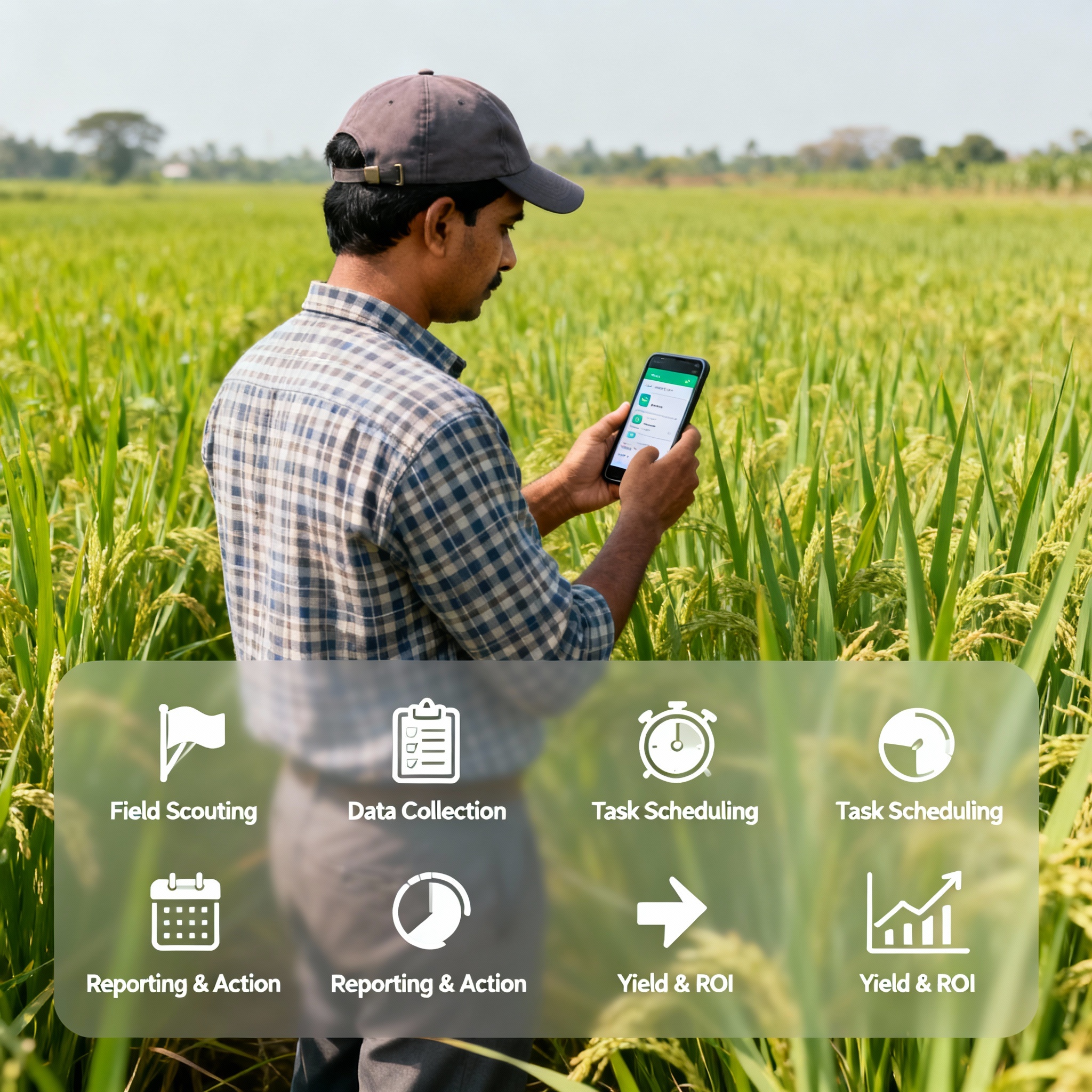
Targeted Field Scouting: Assign scouts based on satellite-identified problem areas; track pest, disease, nutrient, and water issues in real time.
Mobile Data Collection: Enable on-the-go recording of crop conditions, plant density, soil moisture, growth stages, and more—accessible via mobile apps.
Digital Task Scheduling: Automatically generate and assign scouting tasks based on analytics, ensuring timely responses.
Instant Reporting & Action Plans: Collate scouting observations into actionable reports, triggering corrective actions and advising on crop interventions.
Yield and ROI Analysis: Use consistent scouting data to correlate interventions with yield and profitability outcomes.
Carbon credits Management
Sustainable Practice Tracking: Document the adoption of practices like no-till farming, cover cropping, and reduced input use to quantify carbon sequestration.
Carbon Measurement & Reporting: Use remote sensing and soil sampling to estimate and verify carbon storage and reductions.
Credit Generation & Certification: Guide farmers through the steps to create, certify, and list agricultural carbon credits for sale.
Marketplace Integration: Connect landowners with buyers, manage credit transactions, and support the financial aspects of carbon trading.
Regulatory & Audit Compliance: Ensure all activities meet international and local standards for greenhouse gas reductions.

Equipment Management
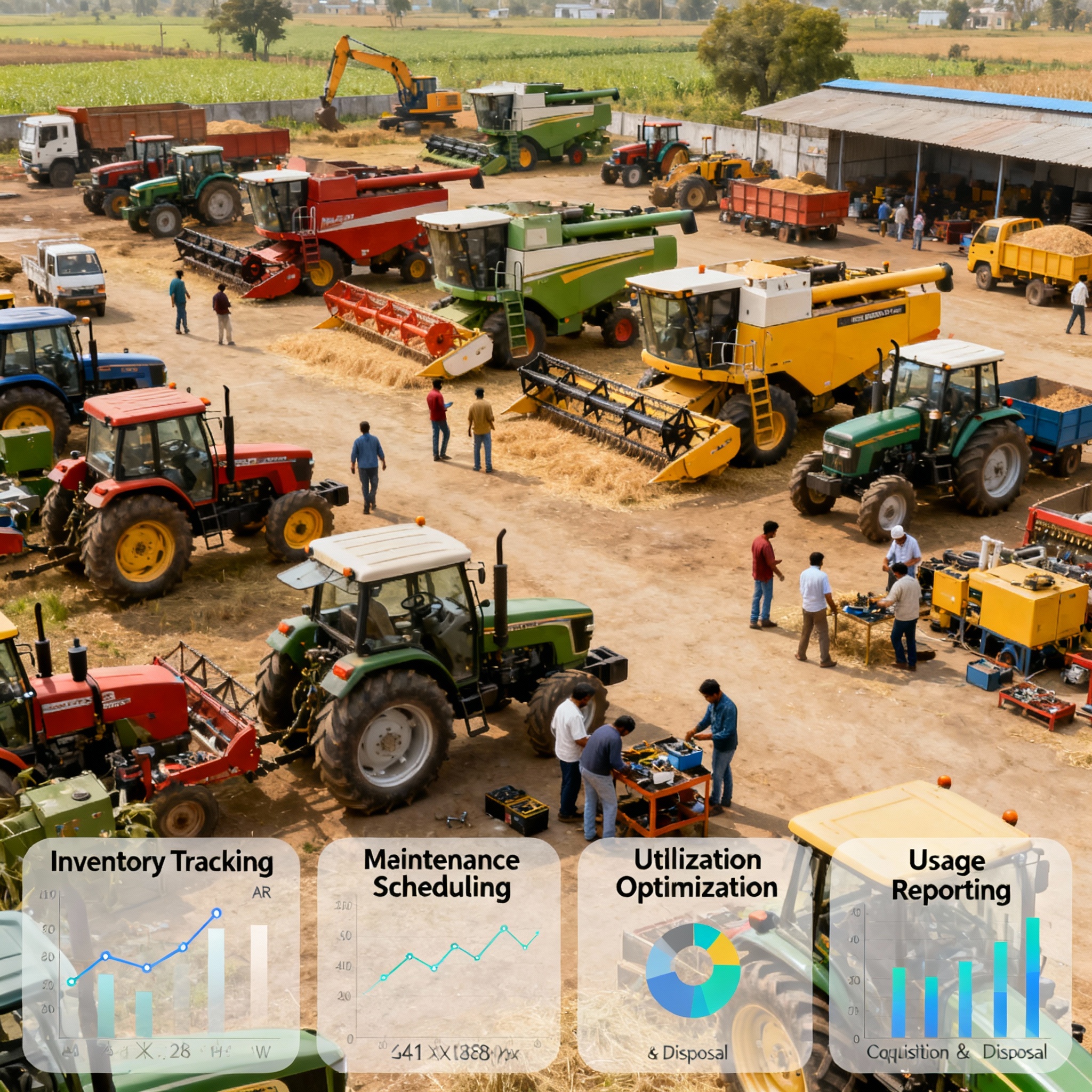
Inventory and Asset Tracking: Maintain a live, detailed list of all machinery and equipment, statuses, and assignments.
Maintenance Scheduling: Set up predictive maintenance, repairs, and safety inspections to reduce downtime and extend equipment life.
Utilization Optimization: Allocate equipment based on operational needs, crop cycles, and cost efficiency.
Acquisition & Disposal: Guided procedures for procurement and end-of-life handling, ensuring assets meet operational standards and compliance.
Usage Reporting: Record and analyze utilization rates, fuel consumption, operator logs, and support budgeting decisions.
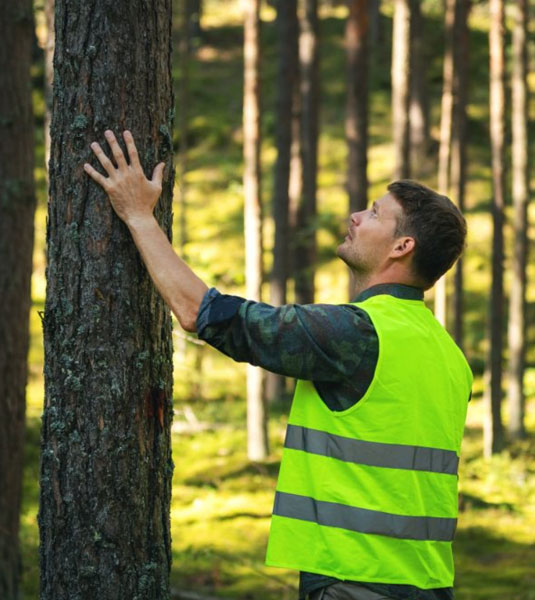
Forestry Management
Smart Forest Monitoring: Use IoT sensors, satellite imagery, and AI for real-time health checks, disease/pest prediction, and growth tracking.
Inventory & Planning: Map stands, track timber yields, and plan selective harvesting to ensure long-term sustainability.
Resource and Supply Chain Digitalization: Implement RFID and tracking for wood products, enabling efficient, transparent movement from forest to market.
Illegal Activity & Change Detection: Automated alerts for deforestation or unauthorized logging.
Disaster & Climate Monitoring: Early detection of wildfire, storm, or drought impacts, with recovery planning.